I’m a professional non-profit administrator and grantwriter, having succeeded in funding projects for organizations such as The Pacific Center for Teleproduction at U.C. Irvine, and the LongHouse Assn., Native 501 (c) 3, where I was Executive Director for almost 5 years. Recently I helped establish the 1.4 million USD valued “Vision for Vancouver” strategic initiative for the revitalization of a sustainable Columbia River waterfront, extending WSU Vancouver services and programs into the community in correction of anticipated shortfalls.
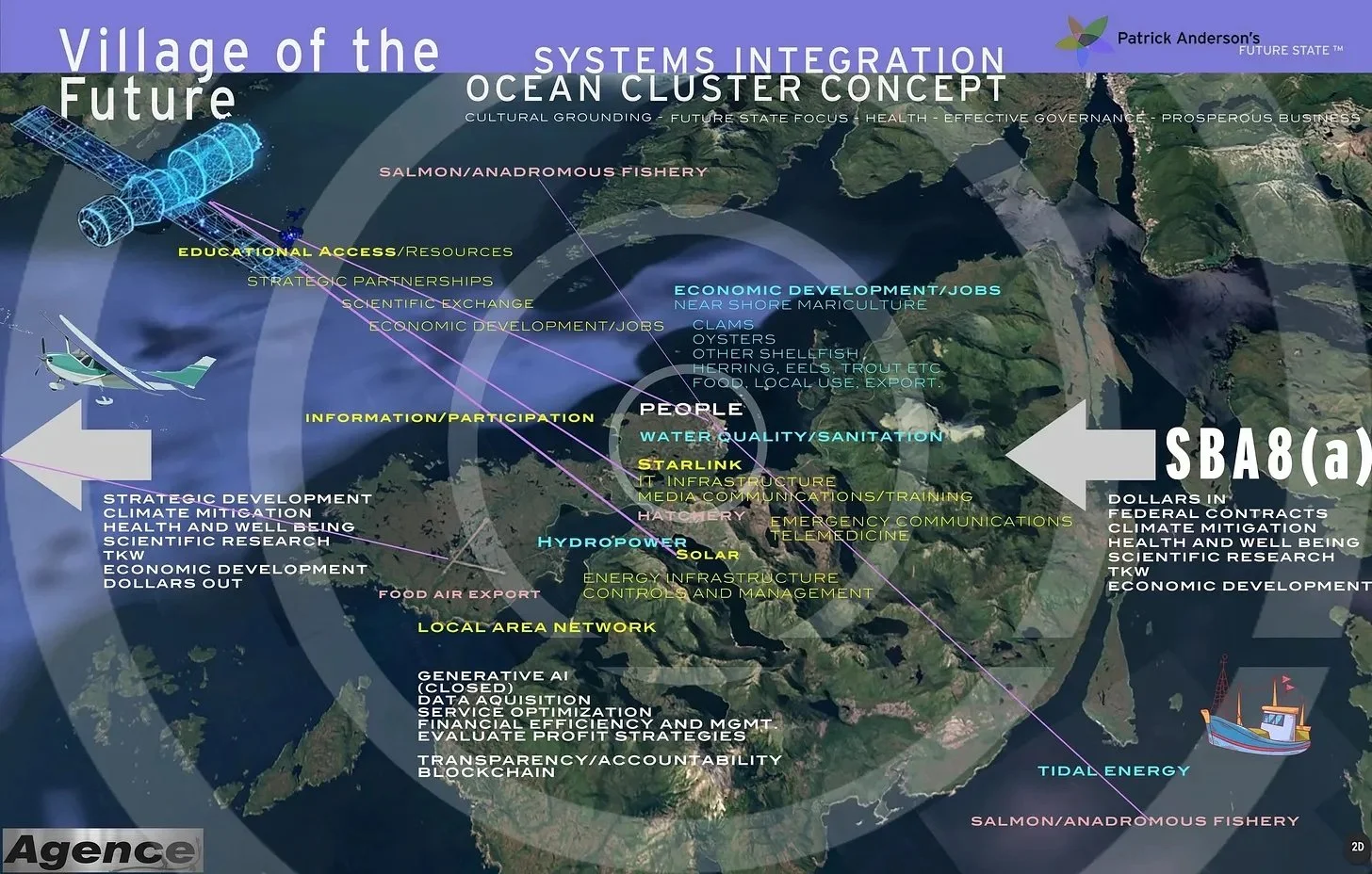
SUBJECT: DEPOSITION: The Post-Industrial Frontier and Re-Visioning of the Modern Western
The traditional American Western has long been trapped in a state of comatose nostalgia. For decades, the genre has repeated a sterile, whitewashed mythos of the frontier—relying on predictable, somber tropes, generic crime elements, and an abstract romance with the past. In doing so, modern cinema has completely failed to capture the active, boiling friction of the contemporary American West. To break the spine of this obsolescence, we must apply a clinical, three-pronged structural diagnostic to re-engineer the genre for the 21st century.
The Post-Industrial Frontier: Re-Visioning the Modern Western
Feature film publicity, marketing, sales, grants. Environmental messaging.
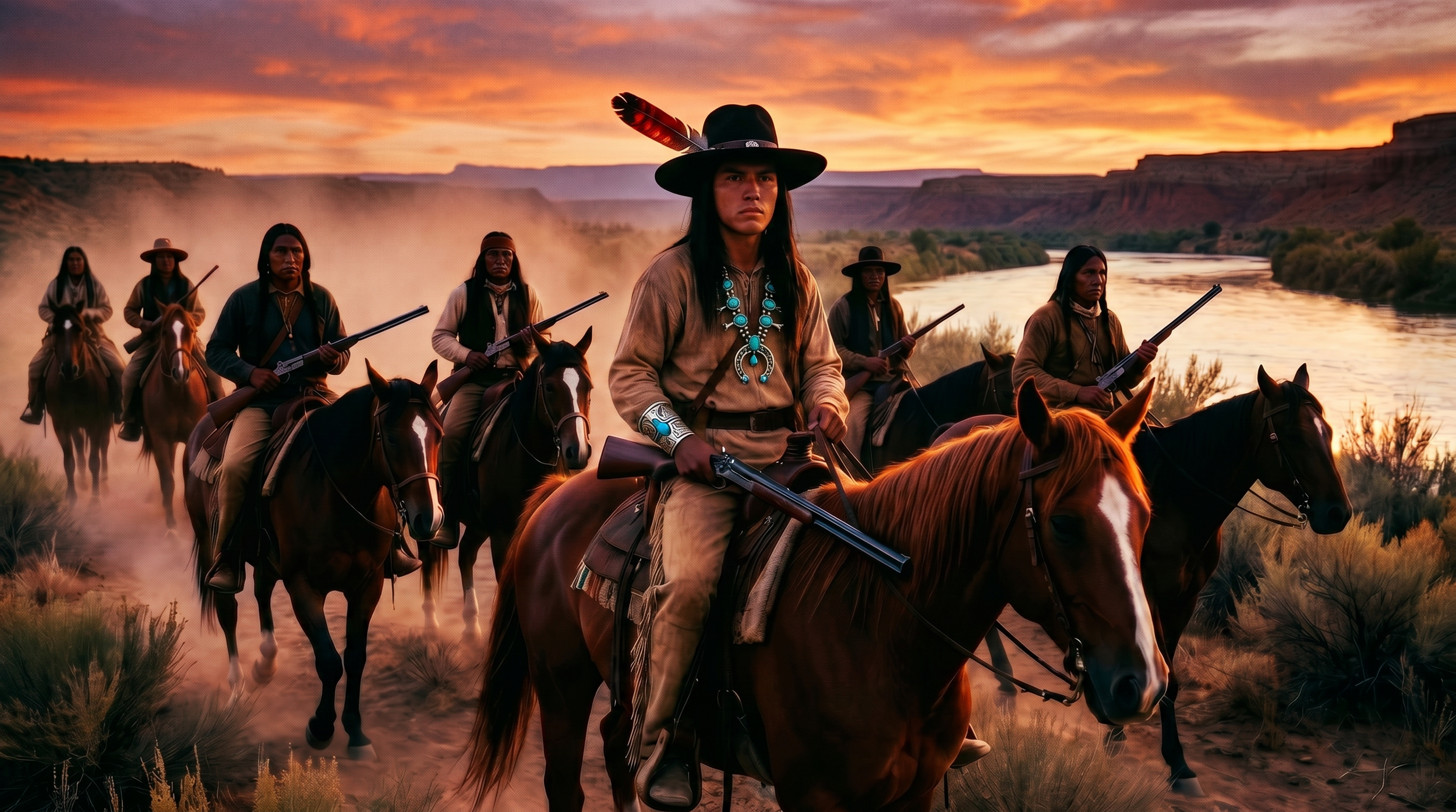
(Asset: “Riding with Geronimo” / “The Black Canyon” EPK Publicity Package. Image 1: The Detonation Baseline – 24 yr. old Preston Arrow=weed and misfit posse liberate ‘Sleepy Hollow,” 1974.
The traditional American Western has long been trapped in a state of comatose nostalgia. For decades, the genre has repeated a sterile, whitewashed mythos of the frontier—relying on predictable, somber tropes, generic crime elements, and an abstract romance with the past. In doing so, modern cinema has completely failed to capture the active, boiling friction of the contemporary American West. To break the spine of this obsolescence, we must apply a clinical, three-pronged structural diagnostic to re-engineer the genre for the 21st century.
A truly modern Western does not look backward; it operates on a razor-sharp frequency where human fabric, territorial resource exploitation, and structural wit collide.
1. The Multi-Racial Canvas: Shattering the Monolithic Frontier
The classic Western relied on a rigid, whitewashed portrait of the frontier that systematically marginalized the actual human fabric of the borderlands and tribal territories. Re-visioning the genre requires an absolute demolition of these archaic casting molds. The modern frontier must be defined by a complex, multi-racial alliance of outcasts, operators, and sovereign elders.
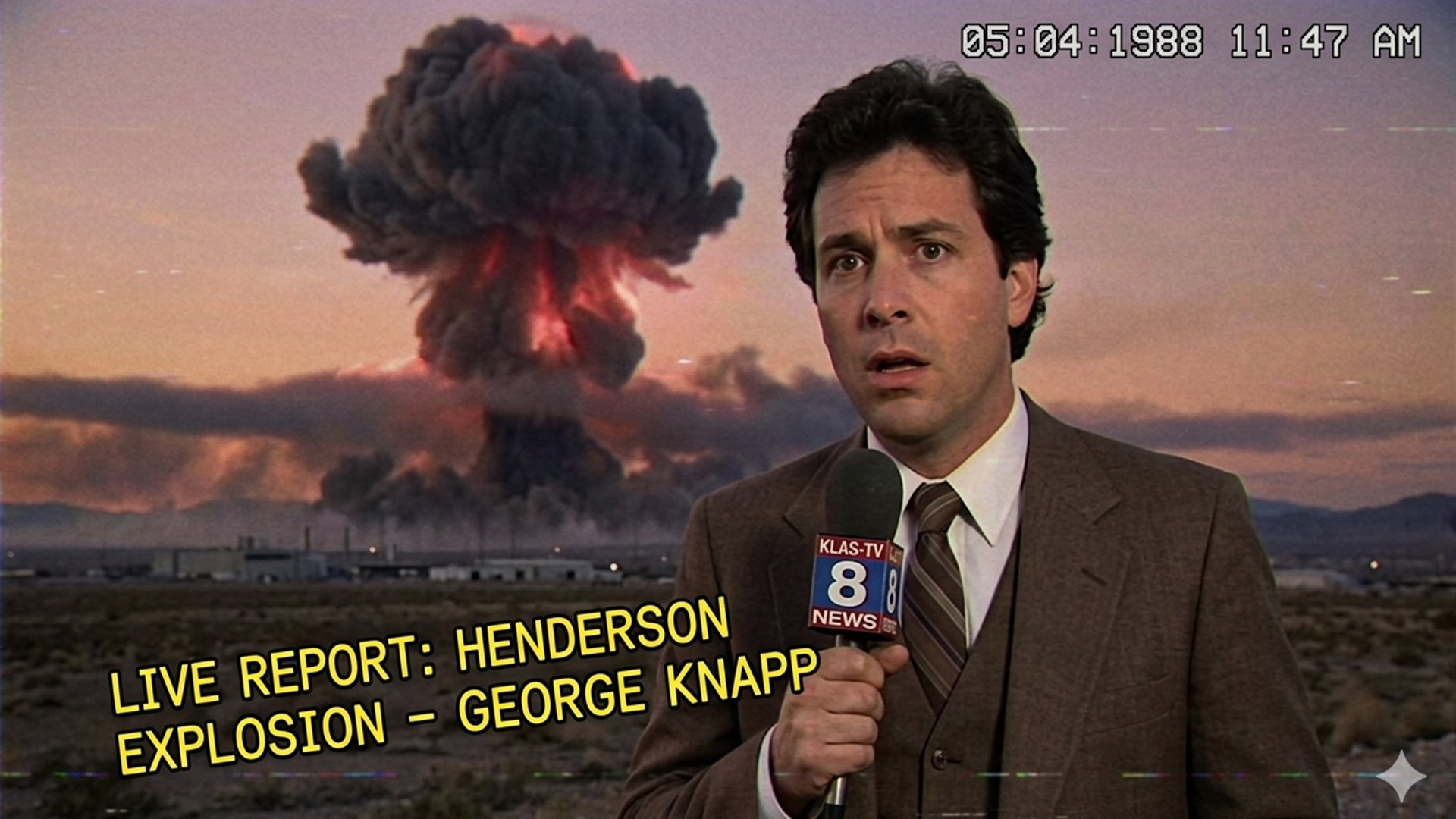
Asset: “Riding with Geronimo” / “The Black Canyon” EPK Publicity Package. Image 2: Rocket Fuel. George Knapp Reports from the Smoking Ruins of the Pepcon Explosion)
Look at the image. George Knapp stands in the dust, reporting live from the smoking, post-apocalyptic ruins of the Pepcon explosion. It is the raw, unvarnished material reality of a system that pushed its thermodynamic tolerances past the absolute limit. It is the definitive visual baseline of Black Satire—the precise moment corporate arrogance and technological simulation detonate under the weight of their own greed, leaving nothing but an active, burning Crime Scene in the desert sand.
By anchoring the narrative ballistics in authentic, diverse creative authorities—merging the independent teeth of indigenous directorial visions with sophisticated, multi-layered character arcs—the canvas shifts from a historical simulation into a living, global reality. Characters are no longer passive footnotes in an old world; they are the active authors of their own sovereignty. This intentional, inclusive architecture expands the narrative marrow, delivering a fierce human landscape that contemporary audiences are actively starving for.
2. Geopolitical Ground Truth: Mapping the Predatory Crime Scene
The fatal flaw of contemporary attempts at the Western is their reliance on abstract nostalgia, completely missing the massive, quiet resource wars being fought over the physical landscape today. The modern frontier isn’t fought over cattle rustling or railroad tracks; it is fought over thermodynamic resource extraction, sovereign wealth pipelines, and digital colonization.
The new Western must connect directly with the unvarnished material reality of the place. It must expose an active, brutal Predatory Crime Scene: the wholesale expropriation of public lands, the siphoning of “last resort” ancient aquifers in the drought-prone Mojave Desert, and the construction of massive, 9-gigawatt data center plantations to feed private artificial intelligence monopolies. By framing the landscape through an infrastructure lens, the narrative exposes the ultimate technocratic contradiction—showing that the weightless, virtual “Cloud” is actually a ravenous physical parasite liquidating the West’s future to grease international financial ledgers. This is not science fiction; it is front-page forensic reality.
3. Structural Wit: Weaponizing Black Satire Against the Empire
When a genre takes itself too seriously, it becomes vulnerable to predictability and leaves room for corporate systems to comfortably maintain control of the cultural narrative. To turn the tables on a dated space, the modern Western must be infused with absolute Black Satire—the brilliant, cynical frequency where a situation is so devastatingly unfunny, it becomes funny.
Through the lens of Black Satire, tech oligarchs are stripped of their progressive camouflage and exposed as ridiculous, contemporary feudal lords enforcing tyrannical decrees on private island kingdoms. The narrative weaponizes sharp, high-velocity irony—such as our protagonists clever absconding with an establishment gatekeeper’s luxury electric vehicle as a warning shot, or turning a multi-billion-dollar supercluster into a toxic, searchable punchline. By injecting sophisticated wit, the tables are completely turned. The tech-plantation becomes the ultimate corporate liability, and the protagonists hijack the highest-velocity infrastructure of the empire to drive the war right over the perimeters of the establishment.
Conclusion: The New Game of Thrones
The re-visioned Western proves that you cannot make this stuff up, but you can write the screenplay. By combining a multi-racial sovereign substrate with the raw geopolitical ground truth of resource extraction and the lethal velocity of Black Satire, the genre moves from a boardroom abstract into a live, commercial box-office asset. It is a cinematic pincer movement that permanently vaporizes the administrative shrouds of the old studio system. Like George Knapp documenting the fallout at Henderson, we are delivering the raw data-packet that leaves the remaining ruins of the comatose simulation to burn in plain sight.
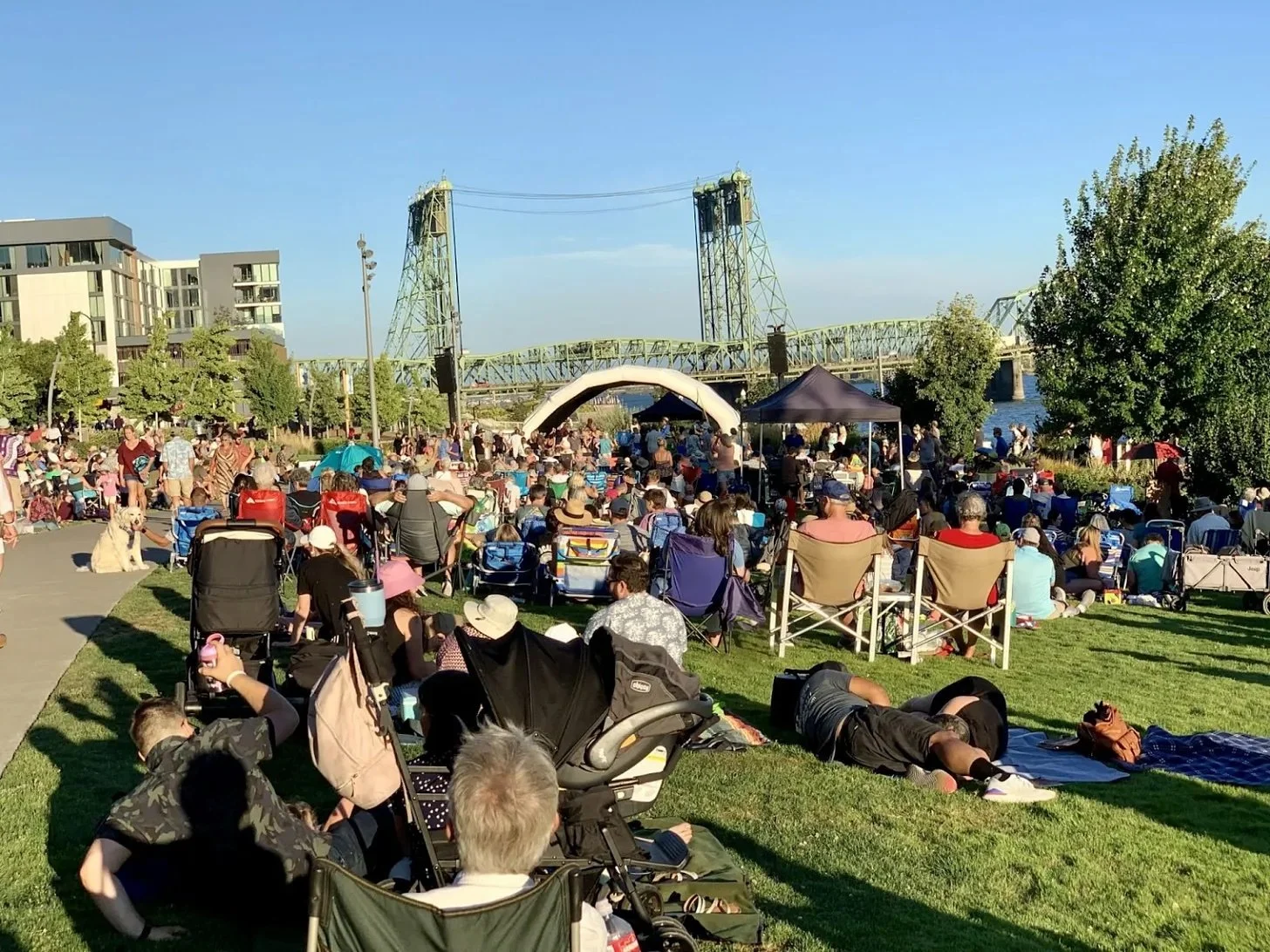
PHOTO : Crowd gathers at waterfront bandstand, Natalie Bicknell Argerious, TheUrbanist.org
Robert Lundahl is an Emmy® Award winning filmmaker, Radio Host and Author. As a professional communicator and Public Relations practitioner his work encompasses 25 years and spans distances From Shanghai to Curitiba.™
While known for influential television series’ and noteable documentary films, Lundahl has also contributed to thoughtful executive leadership in several ways.
Most recently, he has directed his efforts toward creating transformative narratives for leaders across diverse fields.
I.
Executive Leadership
Strategic Architecture and Synthesized
Frameworks
The Challenge: A high-level executive required a comprehensive organizational identity to bridge the gap between Western epigenetic science and traditional Indigenous healing practices. The client lacked a cohesive narrative and a functional business structure to secure high-level consulting contracts.
The Solution:
Conceptual Architecture: Designed a proprietary “translational” framework that synthesized complex systems-thinking with cultural heritage.
Content Strategy: Authored 100% of the site’s core copy, transforming abstract theories into actionable professional pillars.
Brand Persona Development: Engineered a high-authority public persona aimed at securing board-level influence and policy-making opportunities.
Strategic Organization: Built the navigational hierarchy and content flow to present a “vision-ready” organization for potential federal and state partners.
The Result: Delivered a turnkey digital and strategic platform that established the client as a thought leader in the intergenerational trauma space.
II.
University Master Plan with Complex Civic
Integration
Project Title: “Climate Resilience is People” – WSU Vancouver Civic Integration Plan
This framework synthesizes the provided “Climate Resilience is People” central document into a structured, professional plan for civic partnerships, moving from abstract vision to a functional strategy for funding and implementation with Washington State University Vancouver.
1. Philosophical Framework: “Climate Resilience is People”
The core philosophy, developed by the Collective for Social and Environmental Justice (CSEJ), repositions the university as a civic anchor focused on community survival, economic opportunity, and environmental justice (p. 3). It operates on principles derived from Indigenous Haudenosaunee cultural practices and R. Buckminster Fuller’s Design Science (p. 8).
Key Principles:
Equity/Righteousness: Ensures the welfare of all through justice and fairness (p. 8).
The Long View: Adheres to the Seventh Generation Principle, ensuring decisions honor those yet to be born (p. 8).
Interdependence: Recognizes the link between human well-being and the natural world, particularly the Columbia River ecosystem (p. 8).
Permeable Boundaries: Moves away from the traditional “ivory tower” model toward a consensus-based approach that integrates campus needs with broader Southwest Washington community needs (pp. 8-9).
2. Business Plan & Operational Strategy
The operational strategy is built on five programmatic components that are interdisciplinary and community-based (p. 3). The management structure is a “flat,” hierarchy-free model designed for maximum participation and flexibility (p. 8).
Key Initiatives (The “What”):
Community Garden/Food System Justice Initiative: Addresses food insecurity and supply chain issues by fostering local, grassroots food systems on campus and in the community (pp. 3-4).
Thin Green Line People’s History Project: An open-source toolkit and archive to document the history of climate justice organizing and prevent the return of fossil fuel projects (pp. 3-4).
DOCumentary Arts Initiative: Provides media production skills and training with a focus on community health, healing, and well-being (pp. 3, 5).
Missing and Murdered Indigenous Peoples Initiative: Integrates attention to the crisis across the curriculum and faculty research, focusing on digital and theater-based storytelling (pp. 3, 6).
Outdoor Education & WSU Vancouver Barry Cain Canoe and Kayak House: Cultivates a connection to local land and waterways, combining mental/physical health benefits with an ecotourism hub and a “paddle up” cafe serving Indigenous foods at the waterfront (pp. 3, 7-8).
Operational Model (The “How”):
Consensus-Based Decision-Making: Encourages 360-degree input from students, faculty, and staff, though it can be time-consuming (pp. 8-9).
Youth Leadership: Prioritizes the expanded involvement of youth as action-researchers in all facets of the program (p. 4).
Staffing: A lean, project-focused team including Directors for each initiative, a General Manager, a half-time Director of Development, and 8 student organizers (pp. 9-10).
II. High-Level Grant Writing & Funder Outreach
The funding approach targets an unassailable proposition: “It benefits people, biodiversity, and environmental integrity” (p. 9). It minimizes risk by relying on community-based solutions rather than unstable federal policies (p. 9).
Messaging, Positioning & Targeting:
Positioning: The project is a major ally in ensuring a clean waterfront, stimulating sustainable economic development with living wage jobs, and transforming WSU Vancouver into a “magnet campus” (pp. 8-9).
Targeted Narrative: The messaging emphasizes creating new neighborhoods, eco-tourism, and outdoor sports destinations as alternatives to the “false promises of fossil fuel companies” (pp. 2-3).
Funder Alignment: The initiatives are designed to attract funding that supports ecosystem health, clean water, biodiversity, sustainability, salmon recovery, and housing/homeless services in the wake of federal rollbacks (pp. 2-3).
Key Funder Targets:
Private Foundations: Organizations focused on environmental advocacy, public health, food security, and Indigenous rights may be receptive to the documented history of success and specific project proposals (pp. 3, 5).
State & Local Government: The project provides data and policy support that aligns with local moratoria on fossil fuel transport, appealing to the Vancouver City Council and Port Commission (pp. 2-3).
###